
Are you crazy over squirrels?
Philippe Henry
March 26, 2026
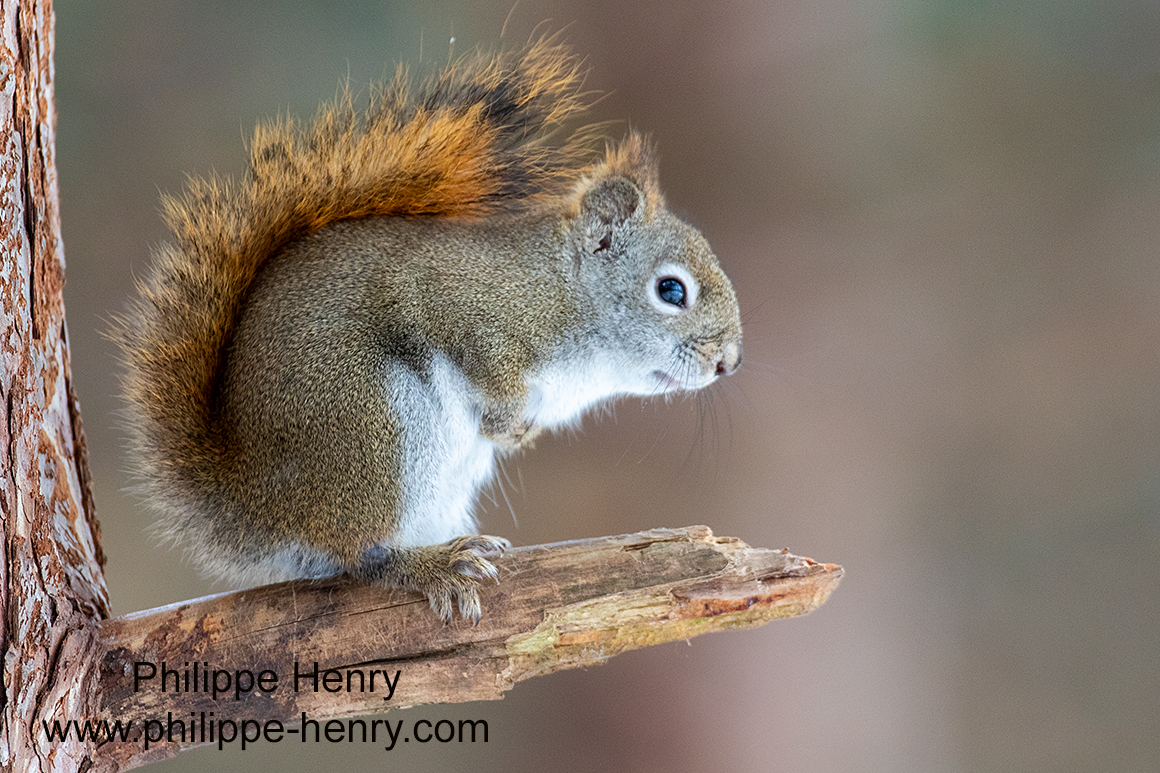
I became interested in squirrels after reading an article about the Squirrel Lover’s Club (1) founded by Greg Bassett in 1995. Through the years, club’s membership grew to thousands with people from around the world who believed that squirrels matter and who cared about their well-being and humane treatment. Greg Bassett passed away In October 2008, and he left an indelible mark in the hearts of The Squirrel Lover’s community.
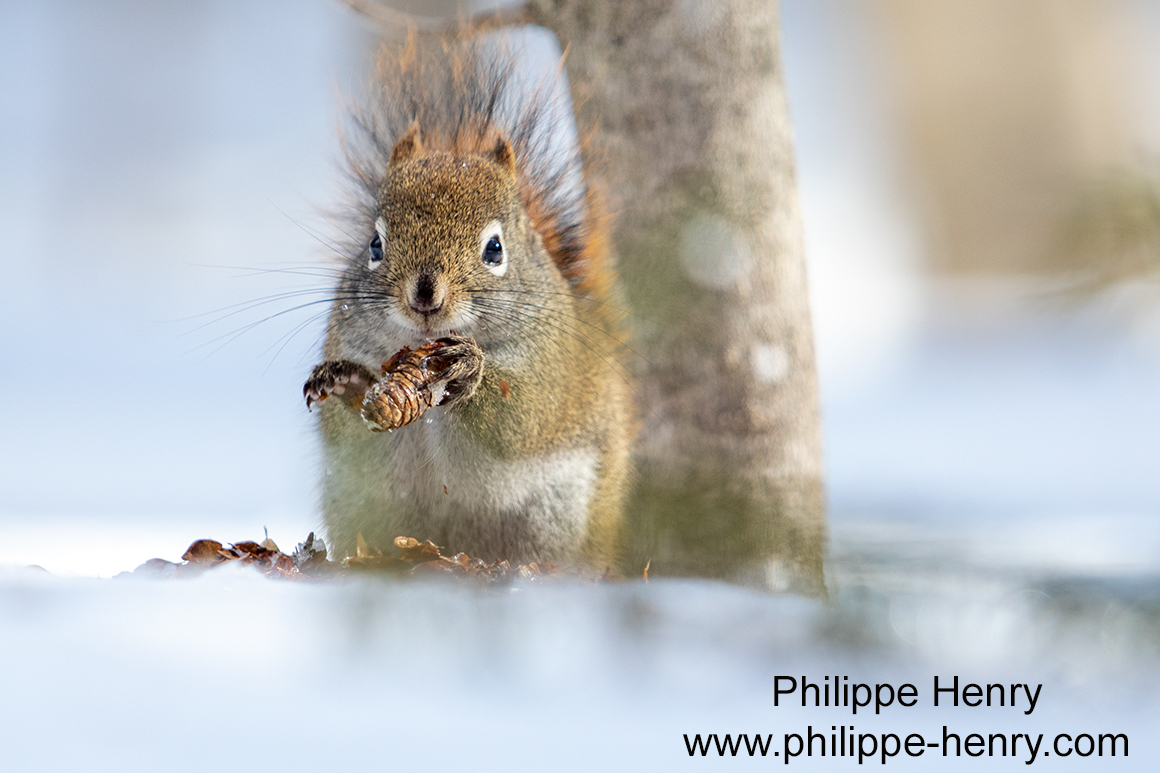
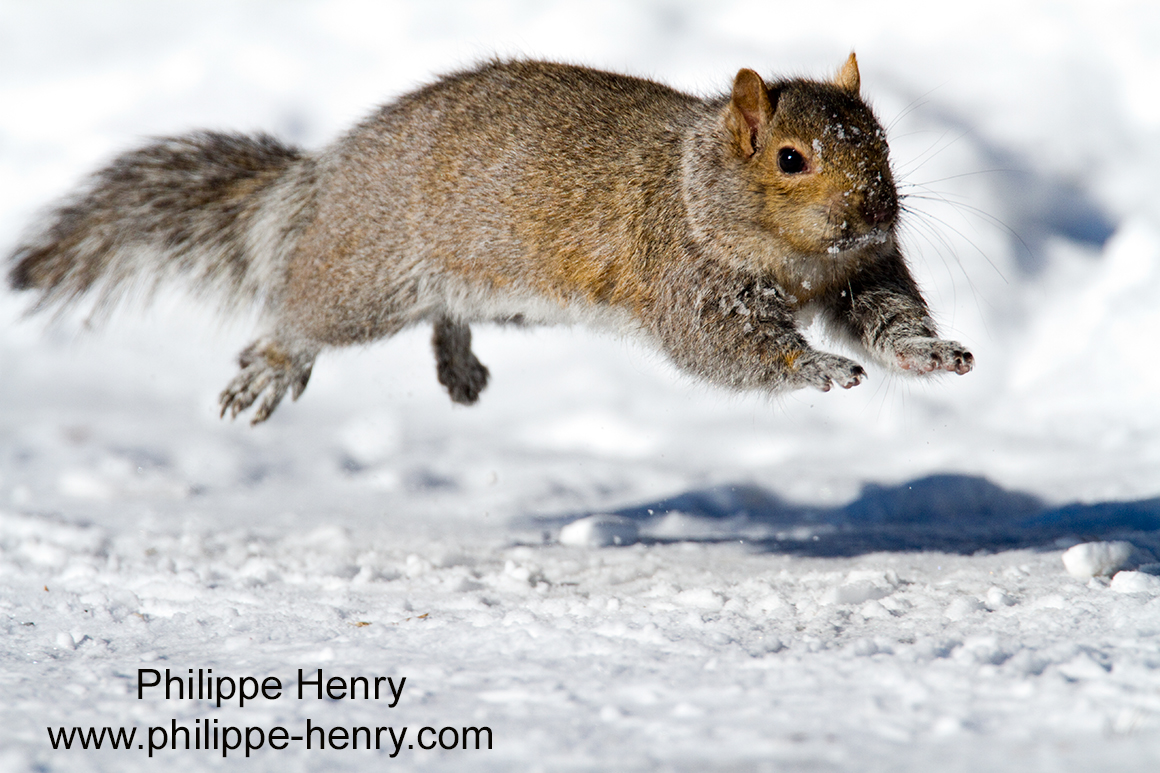
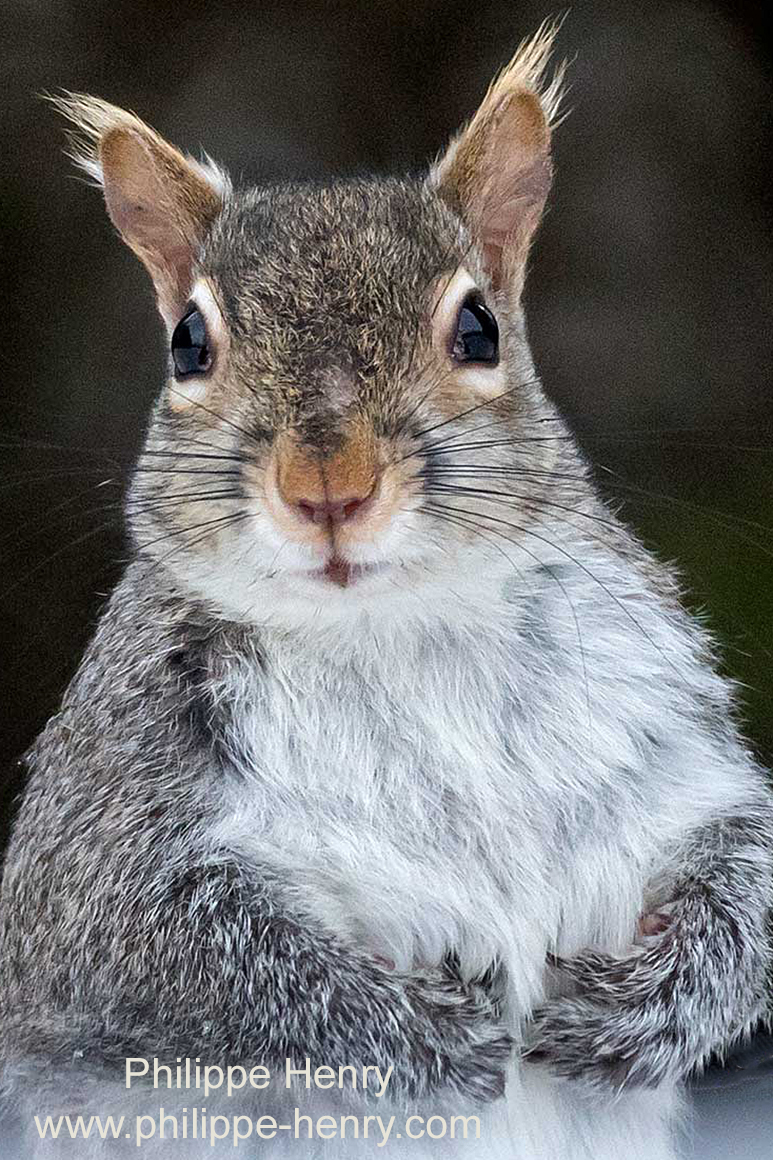
En 1998, I got a request from the photo editor of the National Wildlife Federation magazine who wanted photos for a story on the eastern gray squirrel (Sciurus carolinensis). I had just moved from France to Canada and knew nothing about this species. So, where could I go to photograph them? I was advised to go to the Montreal Botanical Garden where the population of this species was growing. Many visitors fed them day after day, so they quickly became accustomed to the presence of humans.
And they weren't the only ones who appreciated these little creatures who seemed to have found a paradise in this garden. The overpopulation of this species attracted predators like owls and hawks and also a predator already well-suited to urban areas. I'm talking about the red fox.
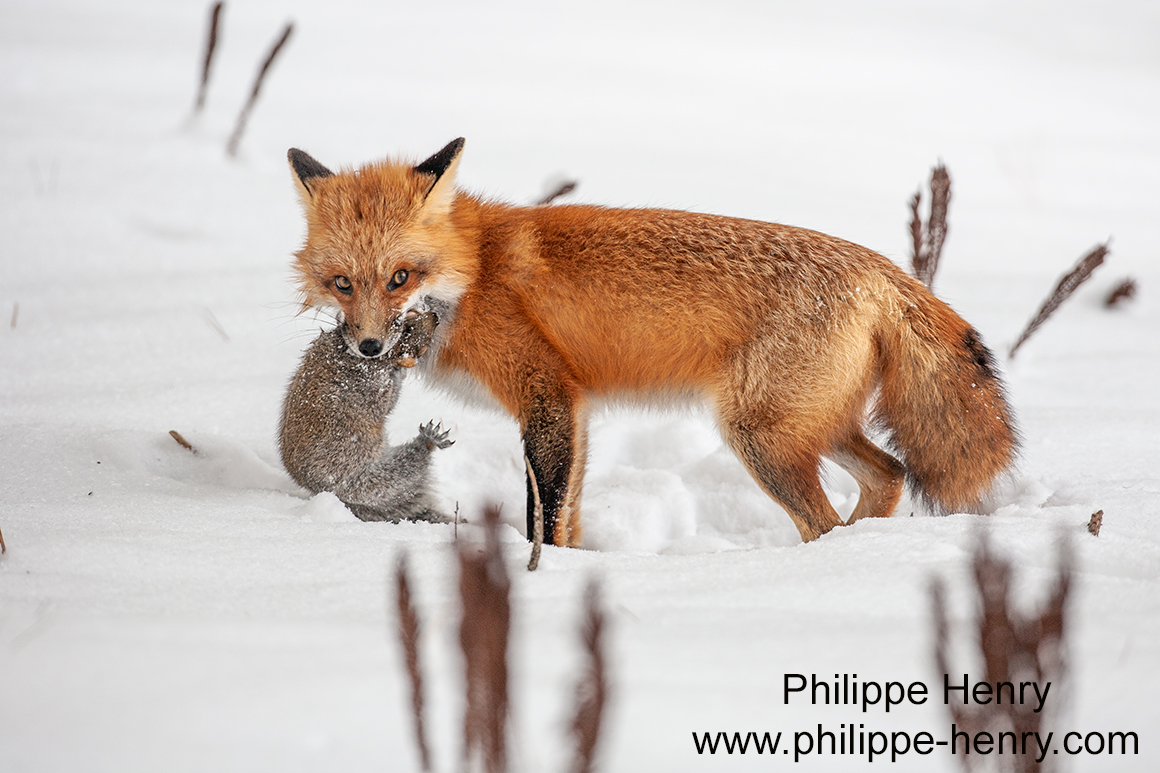
Over the years, a fox family settled in and had many offspring. Until today, foxes are well accepted by the botanical garden staff. They have become the main regulators of the squirrels, which, during the warmer months, dig up a large quantity of bulbs and ornamental plants that contribute to the garden's reputation. They also gnaw the bark of young trees and eat the buds, they enter buildings and birdhouses. They can chew through electrical wires and cause fires. The garden staff uses repellents when planting bulbs to keep them away..
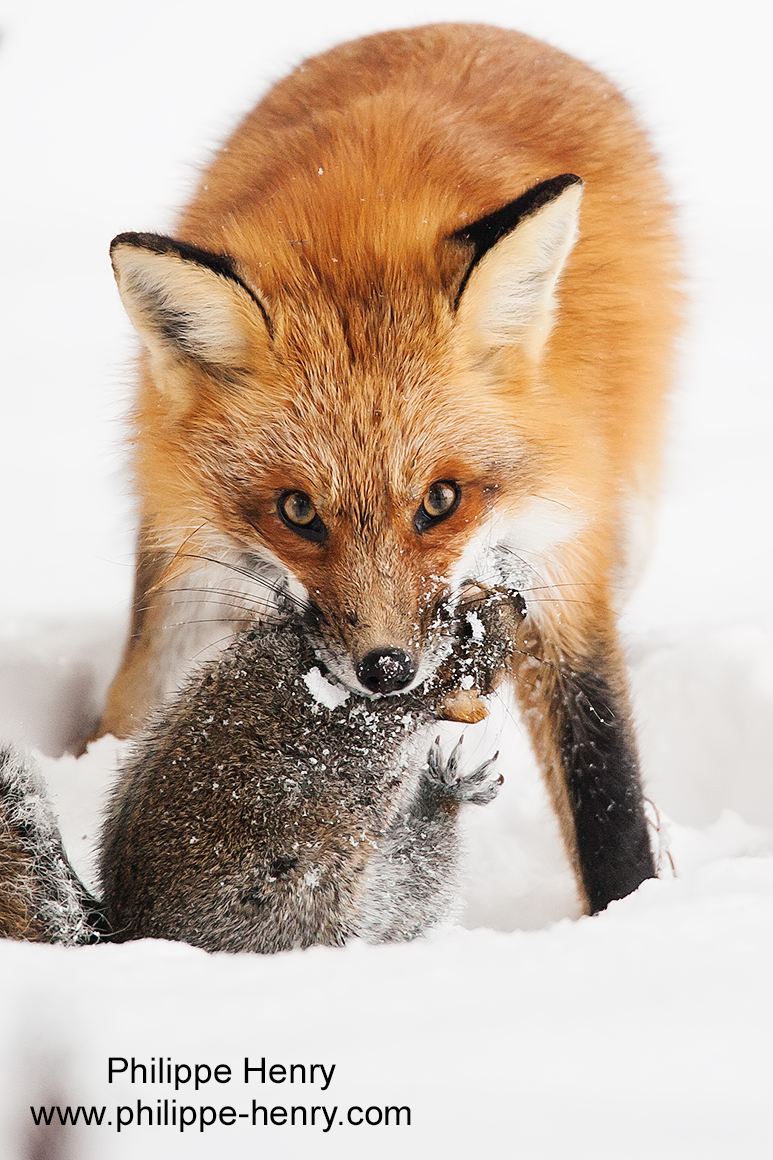
To take photos for the magazine, I found a very simple solution. I stayed near the bird feeders in winter and waited. The squirrels came to eat the seeds that the birds dropped on the snow. The foxes also waited, and as soon as a squirrel came to eat the seeds, the fox would catch one, sometimes after a frantic chase.
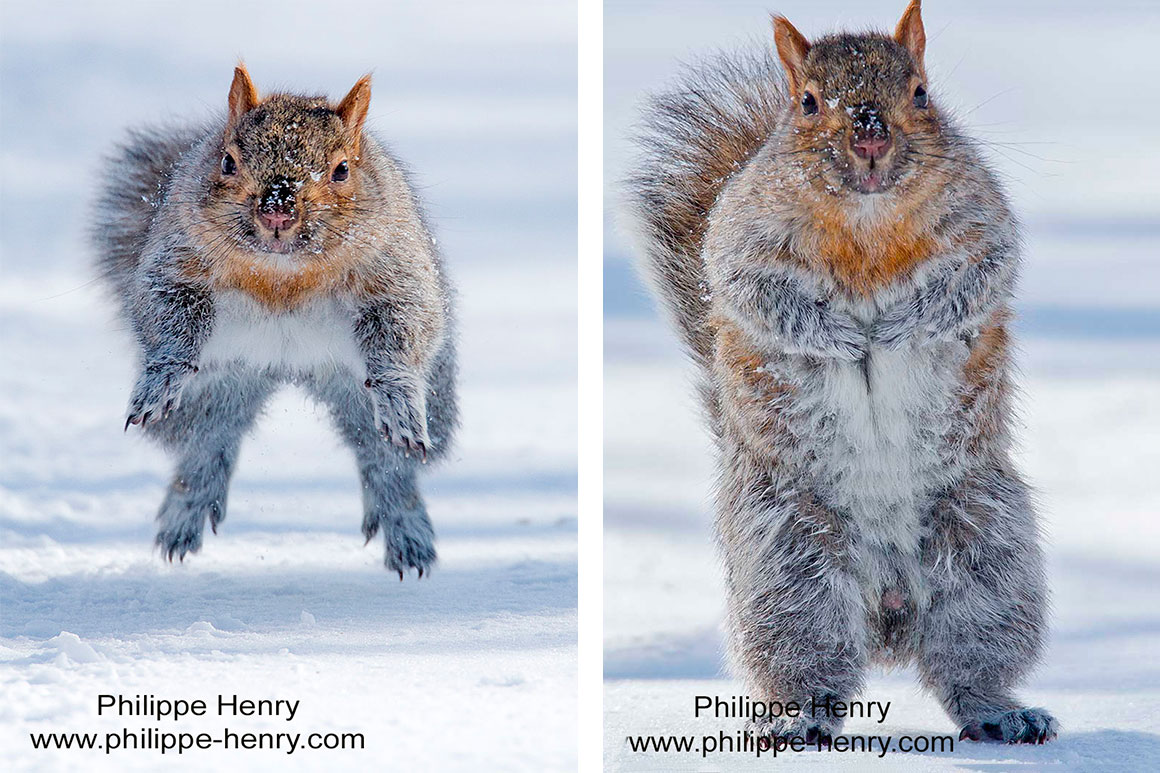
“Our native species has been making trouble abroad” wrote journalist Michael Lipske. “Charmed by its snappy looks, Victorian collectors took it to Britain during the nineteenth century”. Today, the gray squirrels outcompete the red squirrels (sciurus vulgaris) “by being better able to use resources such as acorns” says M.Lipske. They eat green acorns, so they decimate the food source before they ripen and before the reds can make use of them. They also carry a Parapoxvirus, that causes the fatal disease squirrelpox for the red squirrels in the United Kingdom and Republic of Ireland. The virus does not appear to affect the gray squirrel population.
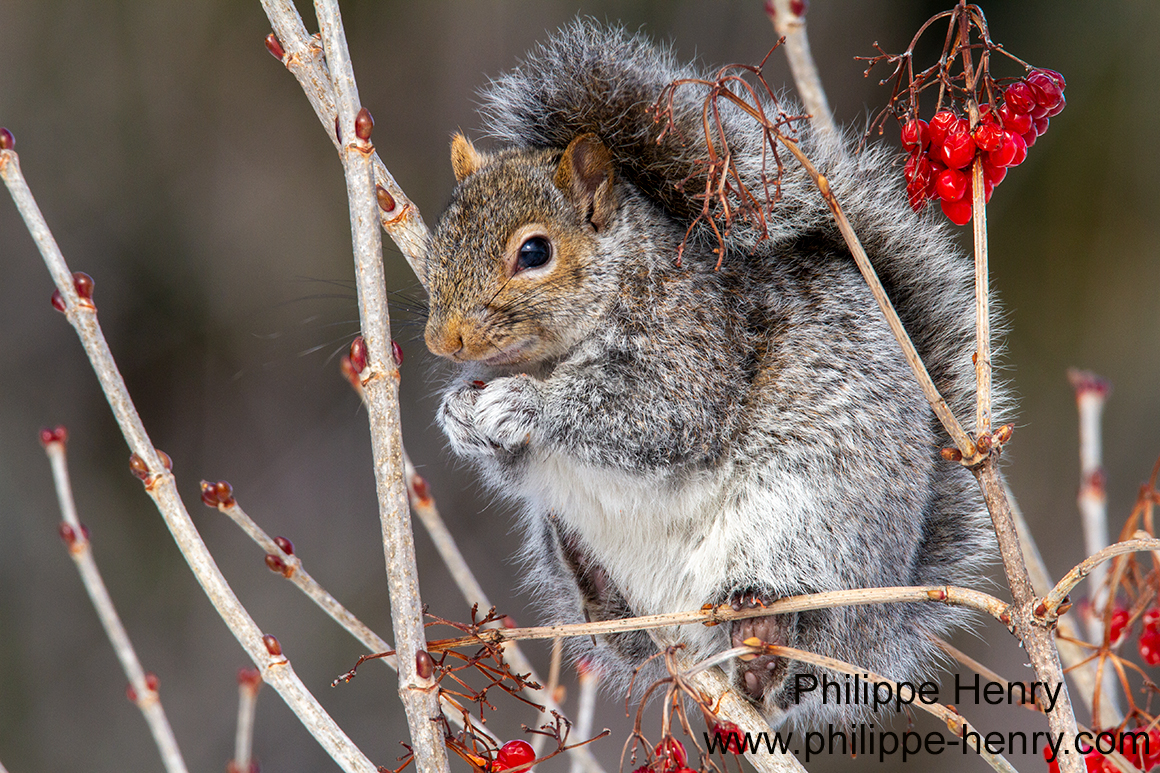
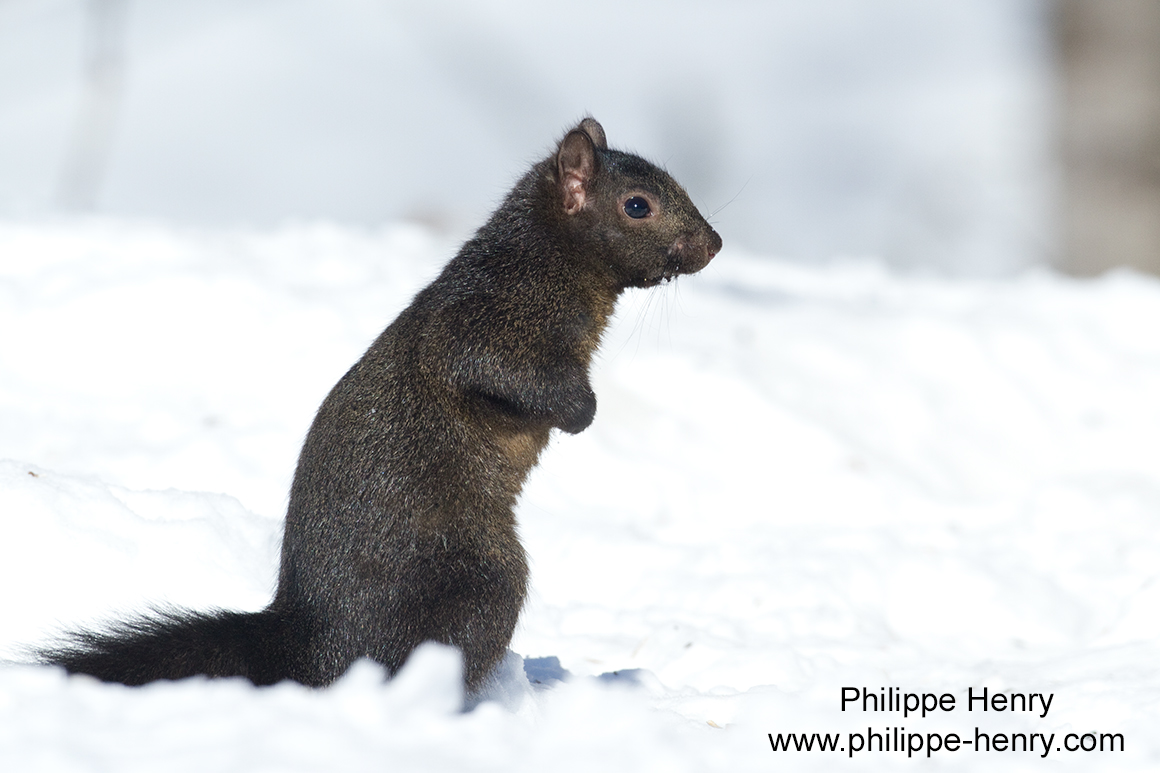
We often see gray squirrel in company of black squirrels but in fact they are the same species with two coat colors. Black is often the dominant color in the northern part of the species' range, in Ontario and Quebec. In the more southern parts black is less common. This suggests that the gene for black pigmentation represents an adaptation to cold temperatures.
References
1. http://www.thesquirrelloversclub.com/
Authors Biography & Contact Information
 Bio: Philippe Henry is a photographer specialized in wildlife and conservation, a writer and a filmmaker. He is based in La Mauricie, in Quebec. His last book - The Alligator of Texas- was published by Texas A&M University Press / USA. You can follow his photography and watch dozens of short video and film trailers on his facebook page. Photo of Philippe by Veronique Amiard.
E-mail: philippe_henry@hotmail.com
Website: www.philippe-henry.com
Phone number: 1 819 532 2513